Introduction to the World of Chatbots and NLP
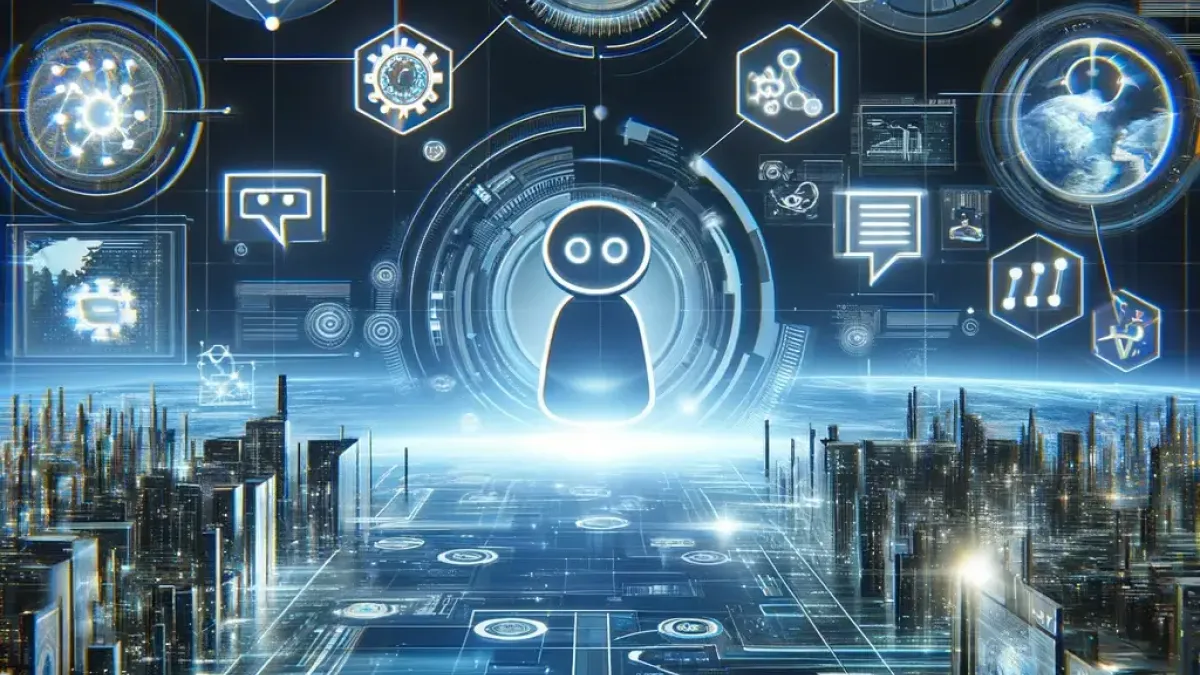
In our era, where technological development is accelerating, Artificial Intelligence (AI) and Natural Language Processing (NLP) technologies have become cornerstones of digital communication. Chatbots, or conversational robots, are among the most prominent innovations in this field, providing an interactive and efficient means of communication between humans and machines, thereby enhancing user experience and service efficiency.
Chatbot Fundamentals and NLP Technologies
What is a Chatbot?
A chatbot is a computer program designed to simulate human conversation using natural language. Its operation relies on Natural Language Processing (NLP) technologies. These programs are capable of understanding texts and responding in a manner that mimics human intelligence.
How Chatbots Work
Chatbots utilize advanced algorithms to analyze and comprehend texts and responses. They are trained with vast amounts of data to enhance their ability to understand and interact naturally and accurately.
Chatbot Applications Across Various Industries
Chatbots in Banking
In the banking sector, chatbots assist customers in obtaining information about their accounts, conducting transactions, and even receiving financial advice.
Chatbots in Healthcare
In the healthcare sector, chatbots can provide initial consultations, guide patients, and offer information about medications and treatments.
Chatbots in Education
In education, chatbots contribute to providing a personalized learning experience, as they can answer student queries and provide educational materials based on their needs.
Key Benefits of Using Chatbots
- Enhanced Customer Experience: Chatbots provide instant, 24/7 responses, boosting customer satisfaction.
- Increased Operational Efficiency: Chatbots help manage a large volume of inquiries simultaneously, reducing the burden on staff.
- Personalized Interactions: Chatbots offer a tailored experience for each user, increasing communication effectiveness.
Challenges and Future Prospects
Despite numerous advantages, chatbot technology faces challenges such as understanding complex contexts and handling linguistic diversity and dialects. Nevertheless, research and development in this field continue, with a special focus on improving chatbots' linguistic capabilities and contextual understanding, opening up new and promising horizons in the world of digital communication.
Conclusion
In summary, chatbot technology and Natural Language Processing represent a paradigm shift in how we interact with digital systems. This is not merely an improvement in service efficiency; it also opens the door to new and more sophisticated communication methods, enhancing the user experience and providing countless opportunities for innovation and development.